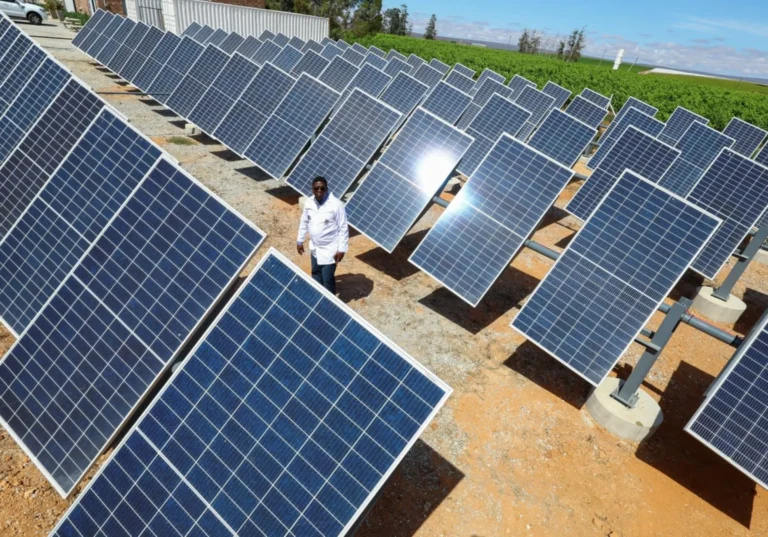
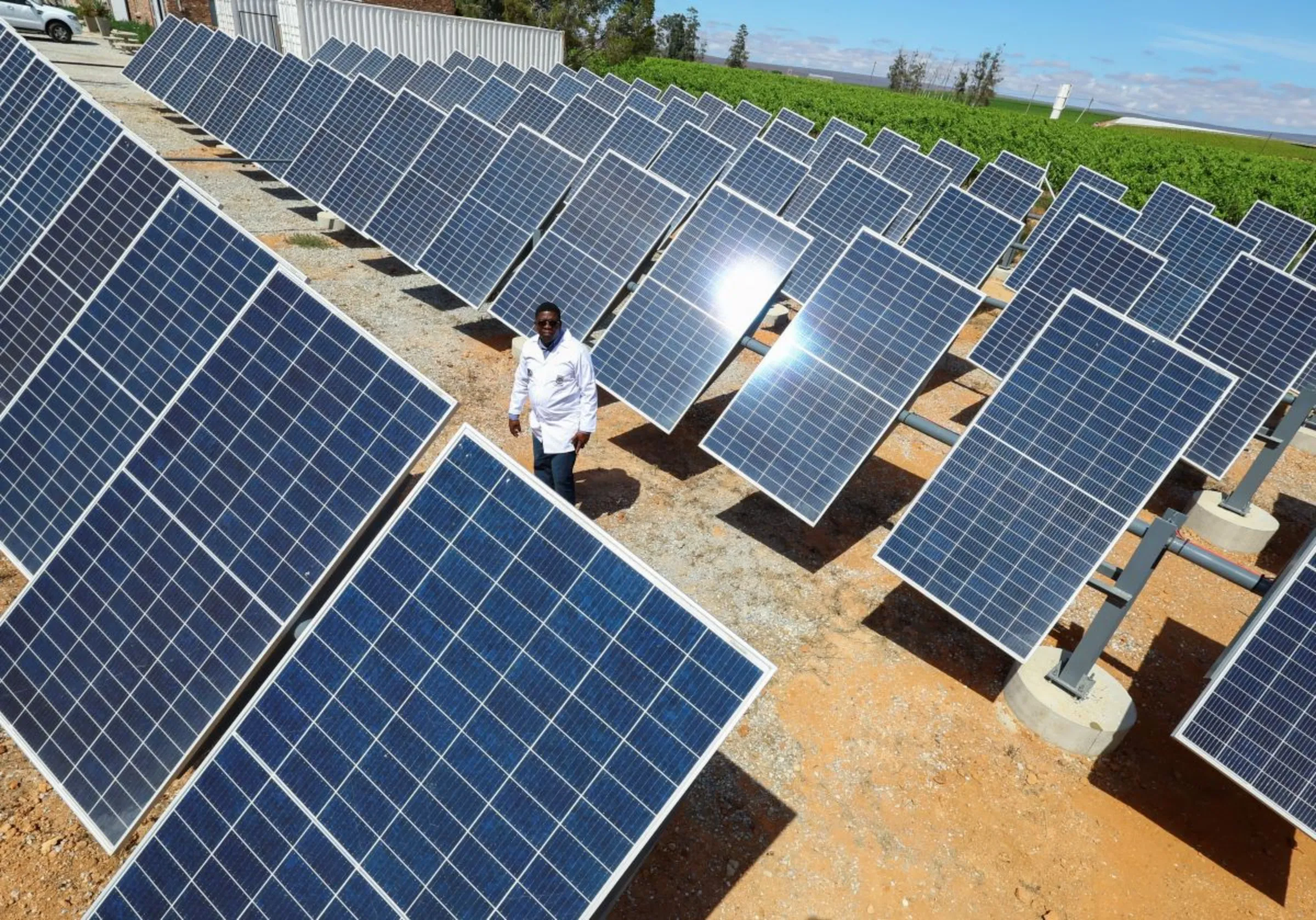
Many observers see industrialization as the key to boosting clean electricity access for people living in Africa and across the Global South. They argue that building up economies with industry will bring about the investments needed to upgrade the power grid and related infrastructure to provide power to the 600 million people in Africa who currently lack any electricity.
But making sure the transition is fair means thinking about the coal workers who could lose their livelihoods and also about those who mine critical minerals essential for the renewable energy sector. The “just transition” toward renewable energy and away from fossil fuels got a boost at the November U.N. climate conference (COP30) in Brazil with the approval of the Belém Action Mechanism (BAM). The details of the BAM have yet to be sorted out, beyond a foundation of integrating existing endeavors toward low-carbon energy. But advocates applauded mentions of the rights of workers and Indigenous communities, as well as the inclusion of calls for more grants — as opposed to loans — to ease the transition.
However, delegates failed to include a plan for phasing out oil, coal and gas.
“The move to establish a just transition mechanism is positive and shows the power of civil society organising,” Friederike Strub, a climate finance campaigner at the Netherlands-based nonprofit Recourse, said in a statement. “But to make the just transition happen we need public finance backing, systemic economic reform, and a clear roadmap to end fossil fuels.”
Even amid these signs of progress, the question of how to best accomplish the transition remains.
Tunisian-American economist Fadhel Kaboub, however, cautions that a general push to bring “green industrialization” to African countries runs the risk of reinforcing, rather than addressing, the very structural inequalities that have kept so many Africans underpowered.
The emphasis in this approach has been on maintaining Africa as a place from which to extract raw materials and cheap labor, not on building up African countries’ capacity, Kaboub, an associate professor of economics at Denison University in the U.S., told Mongabay. Pursuing a similar path — even with the goal of expanding power access — could saddle Africa with more debt and stranded investments in outdated sources of dirty energy, while other countries pluck what they need from the continent to decarbonize their grids at home.
Source: Mongabay USA